

The Dungeon Doesn't Wait
End of Static Dungeon

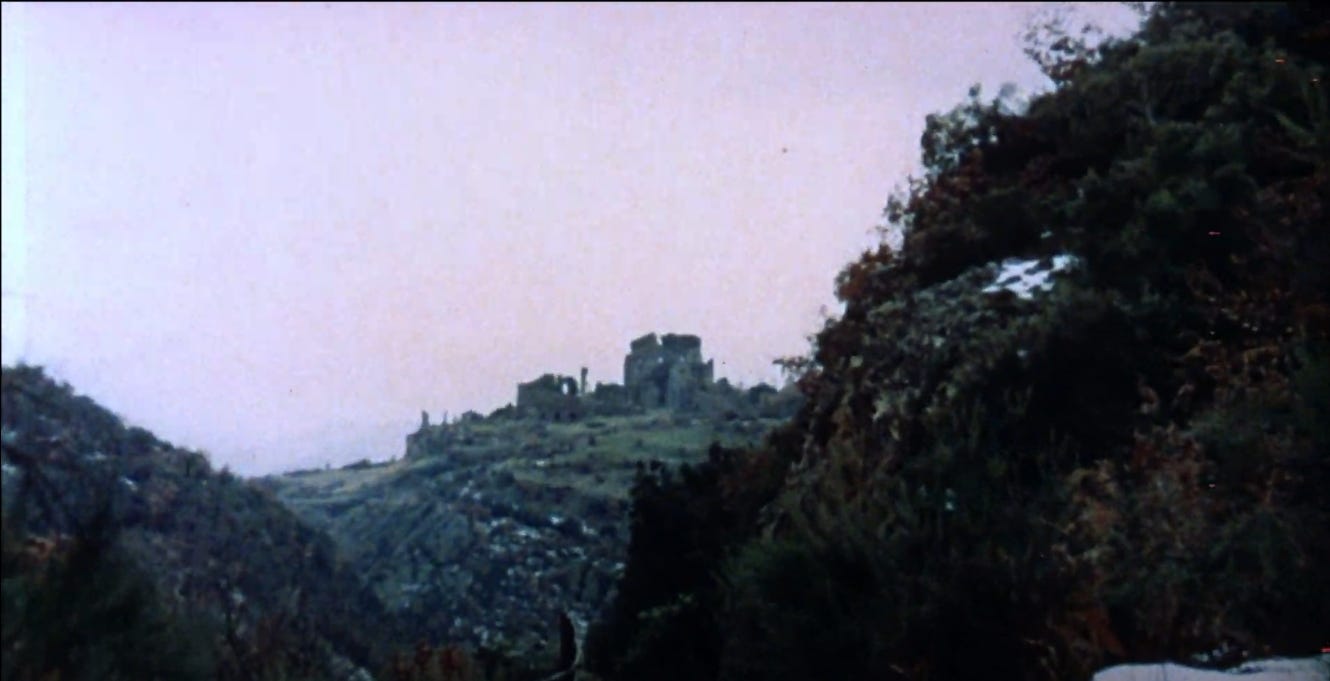
Monsters are not limited to being a mere set of minions and bosses waiting around like in video games. Their life goals go beyond waiting for some adventurer to kick down the door to the room they inhabit. If the adventurers make noise in room three, the goblins in chamber four might intervene. In a dynamic dungeon, the goblins could attack, set up an ambush, or flee. Wandering monster tables are not just creatures spawning for no reason; they are dungeon inhabitants patrolling or seeking resources, like water, for their faction.
A dungeon with inhabitants that fight to the death is simply boring. This environment has a tense microcosm. There, no one wants to die and everyone competes for resources such as space, food, or treasure. Consider the following example: a dungeon taken over by a fanatical cult. At first glance, it seems like a homogeneous, monolithic force; however, upon closer inspection, there are cracks: exhausted and disillusioned neophyte acolytes, an arrogant and brutal guard, and imprisoned monsters who hate their captors. Visual clues of these feuds, such as graffiti and bodies of one faction killed by another, are excellent reminders that bribery, bluffing, and betrayal can be more effective than drawing a sword.
Ignoring morale and reaction mechanics in exchange for the convenience of modern common sense is a gross mistake, as they are the gears of a healthy emergent narrative. A friendly reaction roll from an orc patrol doesn’t mean they will welcome the adventurers with flowers and chocolates, but rather that they want a bribe.
As we well know, combat is lethal. Morale checks save adventurers and monsters alike. When the leader dies or casualties are heavy, the creatures’ formation breaks; combat can end with pleas for mercy or desperate flight. Delegating these reactions to the dice takes a huge weight off the referee’s shoulders, because it isn’t them sparing the adventurers, but the dice deciding that the goblins laid down their arms. A lengthy combat can turn into an interrogation or a chase.
The classic pace of exploration involves advancing, using resources, returning to town, and coming back to the adventure. However, the world does not freeze while the party resolves its affairs in town. One must implement the concept of restocking. If the adventurers cleared the first level of the dungeon and went to rest for, say, two days, how do the monsters and factions react to the power vacuum? Surviving cultists reinforce broken doors and move the treasure chest to a more fortified room. A rival tribe or scavengers, like oozes or giant rats, invade empty rooms to devour the corpses left behind by the adventurers. For every day the party spends away, determine or roll on encounter tables to see what happens. The tactic of taking one step inside, casting a sleep spell, and running away to sleep for eight hours now has consequences.
All of this happens naturally and spontaneously when you play the BrOSR way. You should give it a try.
I really enjoyed this piece. Your perspective on dungeon design resonates with how I like to run games as well. I also believe the best dungeons are dynamic, living places rather than static collections of rooms waiting for the players. When the inhabitants have goals, react to intrusions, and continue acting even when the party isn't watching, exploration becomes far more immersive and meaningful. Thanks for sharing your thoughts—they capture an aspect of RPG design that I think deserves much more attention.